Electrical engineers and facility managers now have a fresh option for their alarm and fire detection networks: the ACN 8‑conductor cable featuring six 0.18 mm² insulated conductors and two 0.50 mm² insulated conductors, all bundled in a durable sheath. The new product promises reliable signal transmission and simplified installation, while also delivering cost‑effective cable runs across complex sites.
What Sets the ACN 8‑Conductor Cable Apart?
- Optimized Cross‑Sectional Area – Six 0.18 mm² conductors provide ample current capacity for standard alarm devices, while the two 0.50 mm² conductors handle auxiliary power or ground, ensuring balanced performance.
- Compact Construction – The 8‑core bundle fits easily into existing conduit sizes, reducing the need for larger ducts and saving both space and material costs.
- Durable Sheath – Constructed from high‑temperature resistant PVC, the cable resists abrasion and chemical exposure, making it suitable for industrial kitchens, laboratories, and outdoor mounting.
- Standard Compliance – Meets IEC 60840 and EN 50525, guaranteeing compatibility with most fire and security systems across Europe.
Practical Benefits for Project Scopes
- Reduced Installation Time – With pre‑arranged conductor pairing, electricians can splice or terminate more quickly, cutting labor hours on large campuses.
- Lower Cable Costs – The 8‑core design replaces the need for multiple separate cables, cutting material costs by up to 15% in projects that require both alarm and power feeds.
- Enhanced Redundancy – The dual 0.50 mm² conductors allow for redundant grounding or backup power lines, increasing system reliability without adding extra cables.
- Future‑Proofing – The cable’s capacity supports higher data rates, making it compatible with newer IoT‑enabled alarm panels and networked sensor arrays.
Considerations and Potential Drawbacks
– In dense conduit runs, the combined heat of multiple 0.18 mm² conductors can raise temperature. Installers should check ambient temperature ratings and consider spacing or cooling venting for high‑density systems. – The sheath is rigid enough for conduit use but may be less flexible for tight bends, which could complicate retrofit work in cramped spaces. – While compliant with European standards, projects outside Europe may need to verify local approval documents before use. – The cable is currently available in 100‑meter multiples only, potentially requiring additional splicing for longer runs.
How to Integrate the ACN Cable into Existing Networks
When updating or expanding an alarm system, start by mapping the new cable’s run to existing conduit pathways. Use the 6×0.18 mm² conductors for signal lines, keeping them grouped to minimize interference. Deploy the 2×0.50 mm² conductors as dedicated power or ground lines to reduce electromagnetic noise. Finally, employ quality termination kits to maintain a secure seal against moisture and dust.
Industry Reactions and Adoption Outlook
Early adopters in hospital and educational settings report a smoother installation process and improved maintenance schedules. By offering a single cable that covers both alarm signaling and ancillary power, the ACN 8‑conductor solution reduces the number of splice points, thereby lowering long‑term risk of signal degradation.
Future Enhancements and Market Trends
The manufacturer is exploring a 10‑core variant that adds two 0.25 mm² conductors for future IoT sensor integration. As building automation moves toward unified data networks, multi‑core alarm cables like this will likely become standard practice, enabling easier retrofits and simplified compliance reporting.
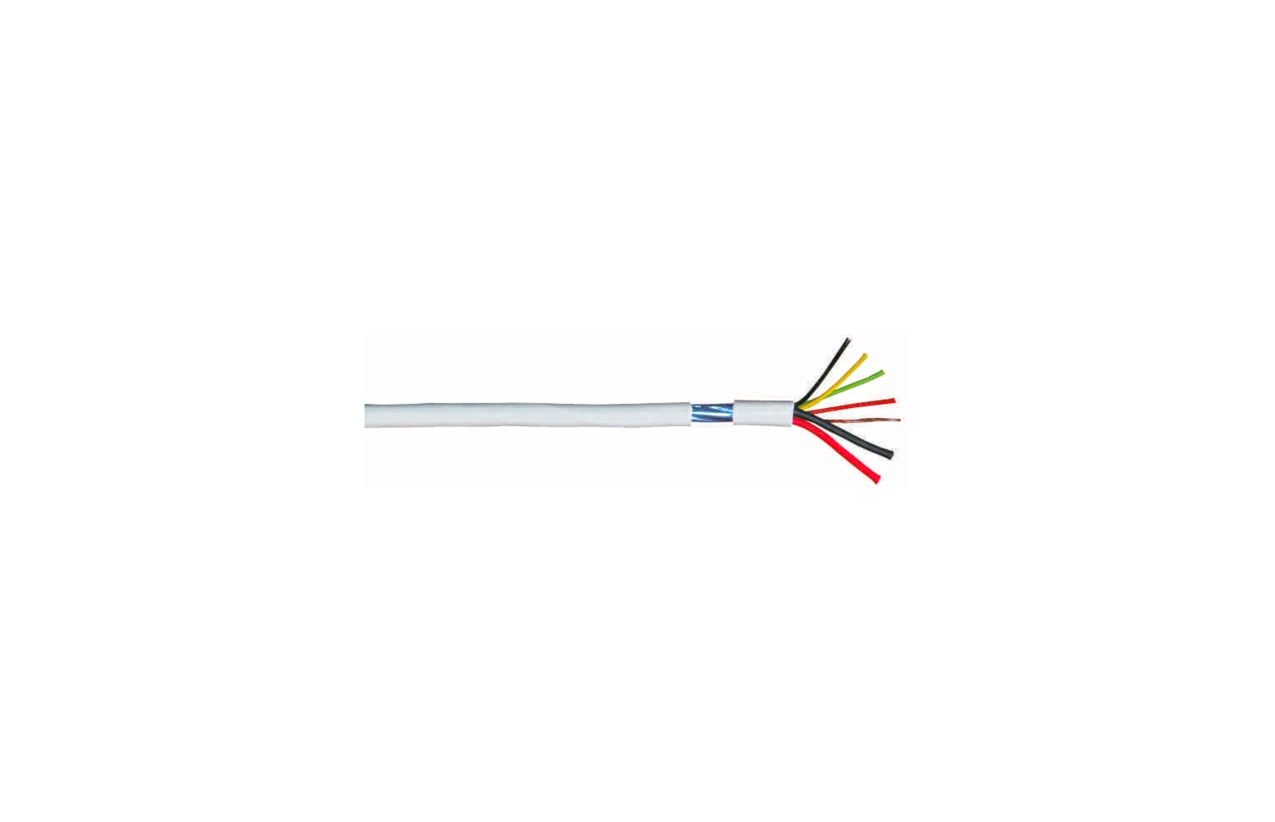
With its balanced combination of performance, cost savings, and future‑ready design, the ACN 8‑conductor alarm cable represents a practical upgrade for safety systems worldwide. Whether you’re building a new facility or modernizing an existing one, this cable offers a reliable pathway to meet today’s security and automation demands while keeping the bottom line in check.